
.svg)
Read now
Read now

Discover Cases
Discover
Management Summary
Gradients give designs modern depth and vibrant dynamism
They are widely used in branding, web design, and digital media
It facilitates refined visual branding and helps reinforce both brand awareness and emotional connection with the audience
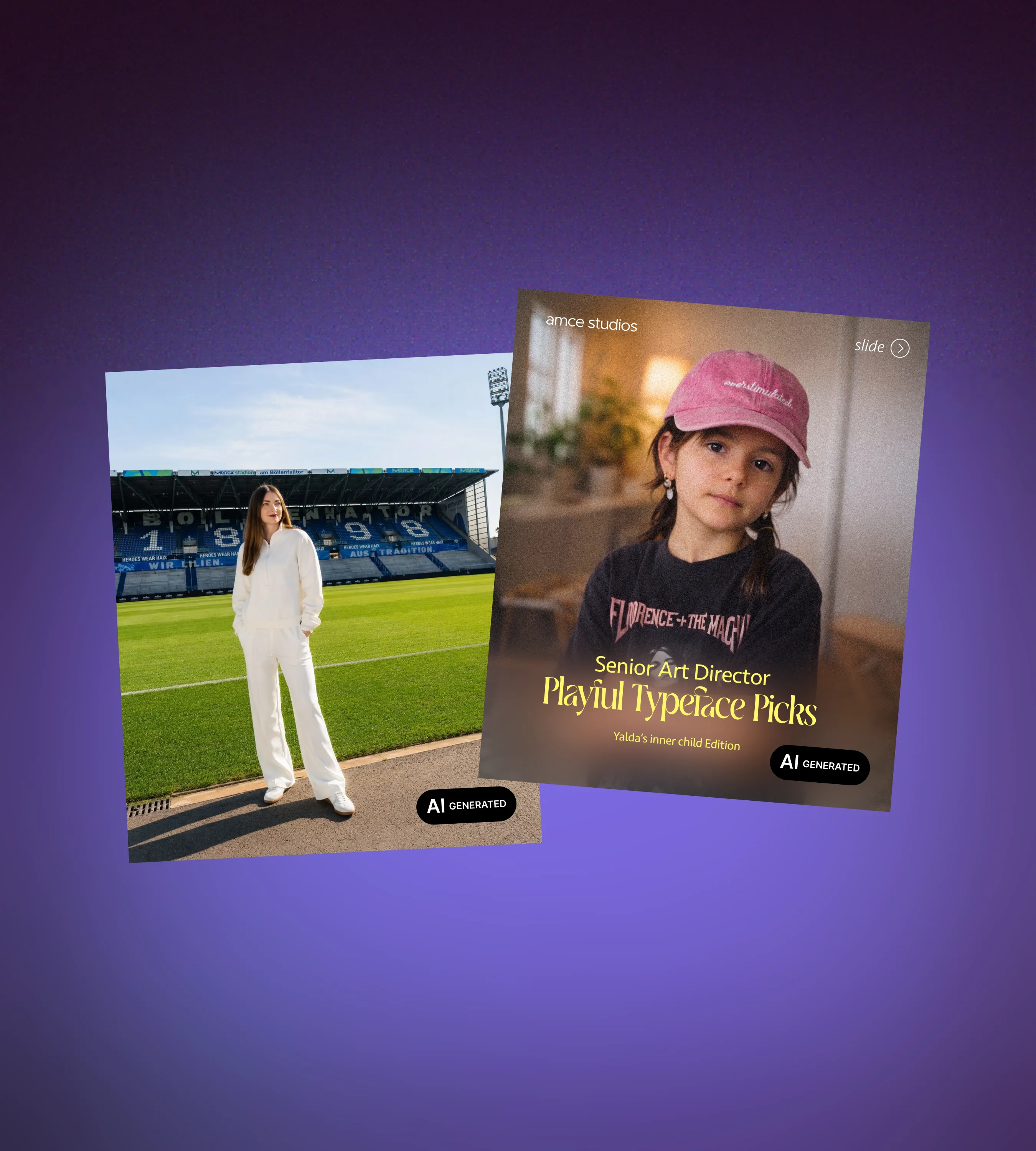
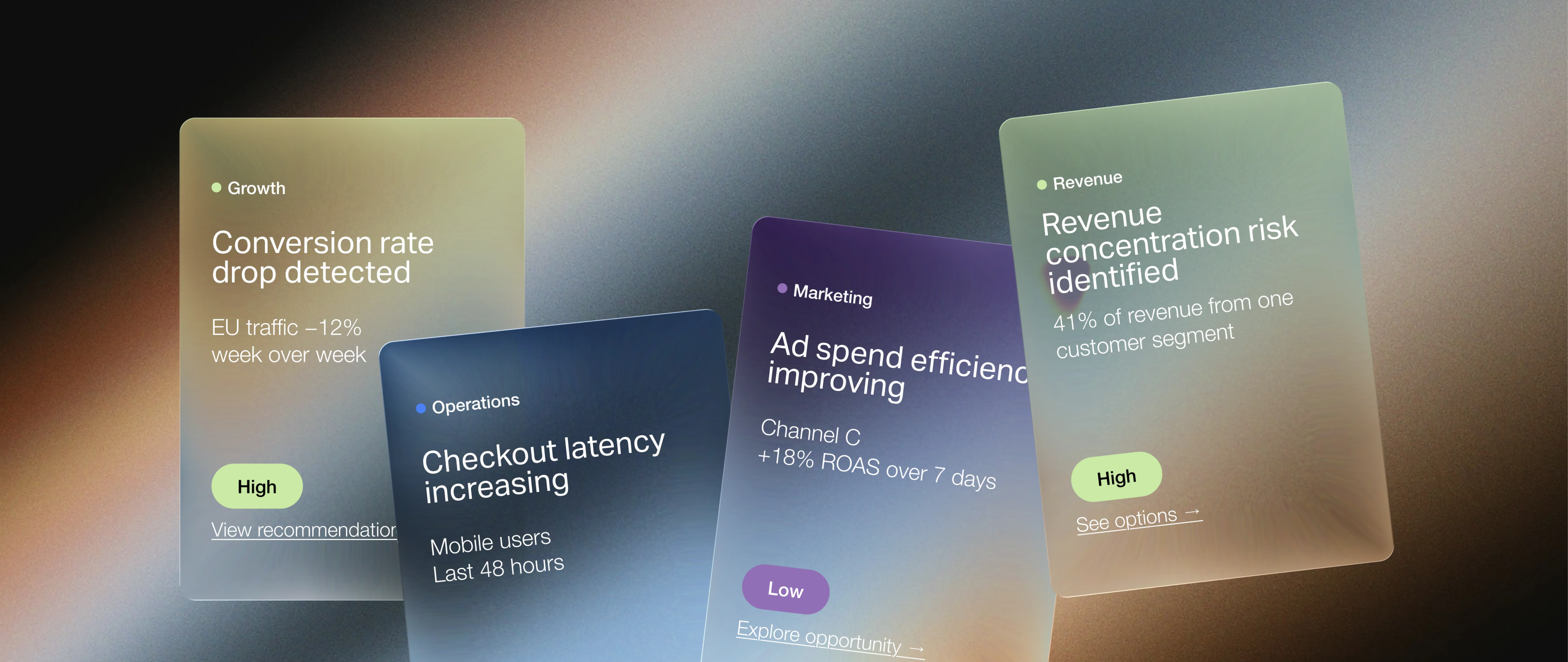
Gradient Design has evolved significantly in recent years. Modern gradients go far beyond simple, smooth transitions and now incorporate granular textures as well as targeted blurring effects.
Definition and Design of Gradients:
At its core, gradient design refers to the use of colors that seamlessly transition into one another. These transitions can be very subtle, for example, from sage green to warm beige, or from sky blue to soft lavender. Bold and energetic combinations are also possible, such as the contrast of turquoise to neon orange or deep blue to vibrant magenta. Depending on the choice and intensity of colors, specific moods can be created and visual accents set.
Gradients appear in different forms and offer a wide range of design possibilities. Linear gradients run along a straight line and are among the most commonly used types. Radial gradients have a circular focal point, drawing the eye toward the center. Angular gradients rotate around a central point, producing a particularly dynamic effect. A more complex form is mesh gradients, where multiple colors transition multidirectionally, creating an artistic, almost three-dimensional impression.
What makes modern color staging particularly distinctive is its ability to bring depth, movement, and emotion into a design. Compared to flat colors, gradients feel less static and add more dynamism to visual content. As a result, gradients have become a central design element in modern graphic design and are widely used in digital media, print products, and brand presentations.
Popular Applications of Gradient Graphic Design:
From branding and packaging design to web design and social media, gradients are everywhere. They bring color, energy, and visual depth to designs and are far more than mere decoration. Today, gradients are deliberately used to support storytelling, convey emotions, and make designs feel more lively. In web design, gradients make websites appear more modern and dynamic. They create depth and support a natural visual flow that intuitively guides users through content. Whether as a central element of a brand identity or as a subtle accent on packaging, gradients continue to evolve and consistently push creative boundaries.
Gradient Design in Branding:
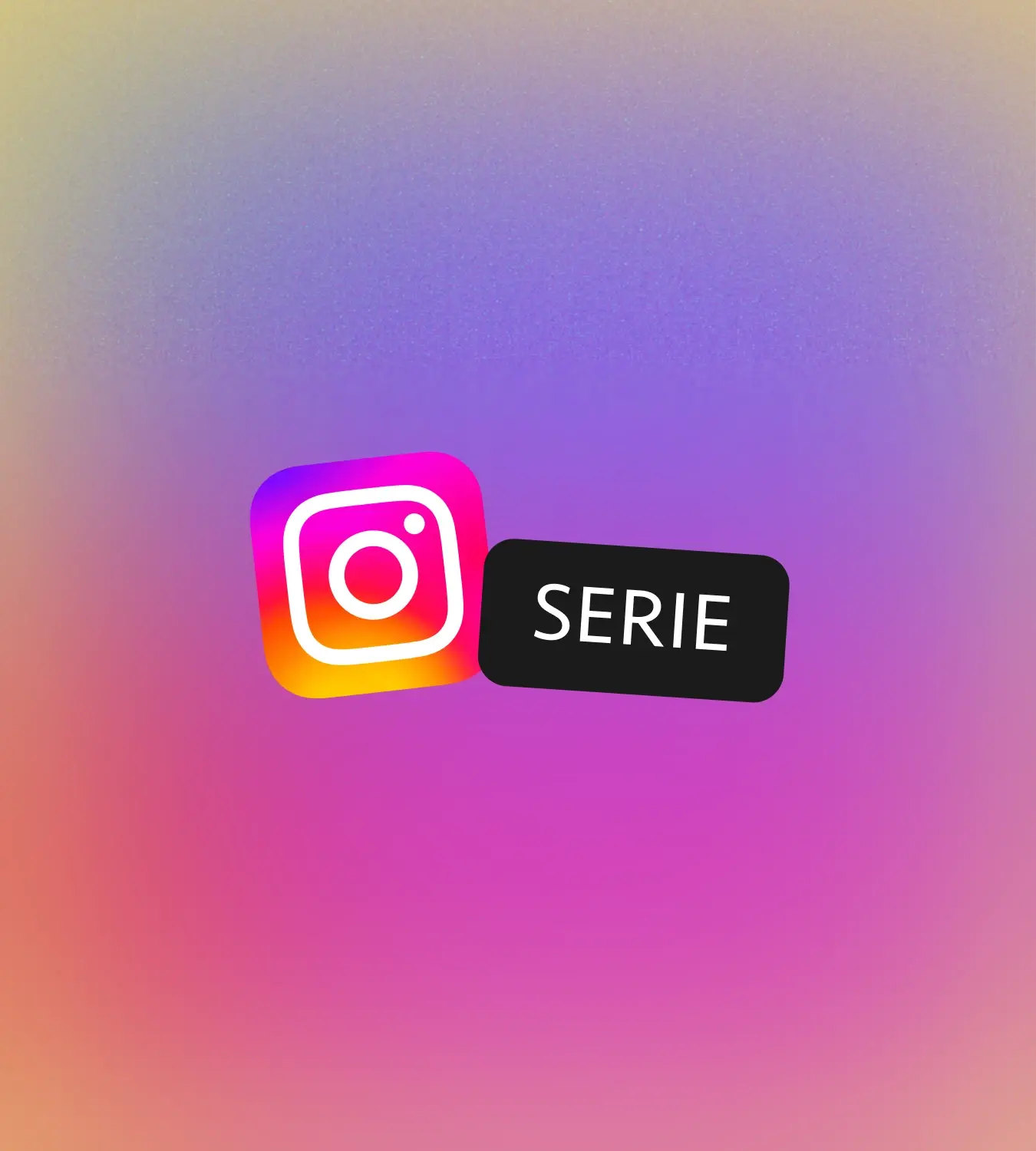
Gradient design is now indispensable in modern brand identities. One of the most well-known examples is Instagram. Its iconic gradient defines the brand’s appearance - from the logo to buttons and icons - and represents the youthful, vibrant energy of the platform. Even if gradient design is not a core part of a brand, it works excellently for marketing purposes. Whether in digital ads or print flyers, gradients attract attention, create visual tension, and clearly highlight content.
CONCLUSION
Gradient Design ist heute ein fester Bestandteil moderner Gestaltung. Farbverläufe schaffen Tiefe, Dynamik und eine zeitgemäße Ästhetik und eröffnen kreative Spielräume, die weit über reine Farbgestaltung hinausgehen. „Dieses Tool überzeugt vor allem durch seine Vielseitigkeit: Es bringt Bewegung in Flächen, erzeugt Atmosphäre und verleiht Designs eine moderne, lebendige Wirkung“, so Yalda Jalilvand, Senior Art Director, amce studios.
Book a consultation
Have a unique challenge?
Discuss your
project
Contact us and let's discuss your project.
Explore our services
Discover our services in strategy, branding, web design, and social media.
Gradient design refers to the use of color transitions where different colors blend seamlessly into one another. Modern gradients can also be combined with grainy textures, blurs, or complex color transitions like mesh gradients to create greater depth and dynamism.
Gradients are used in many areas today – from branding and packaging design to websites, social media, and digital ads. They can be used as a central design element or as a targeted visual accent.
Gradients bring movement, depth, and emotion to visual content. Unlike solid colors, they feel more dynamic and can be used to intentionally set moods, direct attention, and support a brand's storytelling.
Share this article.


amce studios GmbH is an owner-managed digital agency based in Darmstadt. Since its founding, its customers have included large and medium-sized companies, aspiring start-ups and ambitious new founders from the technology, energy, environment, retail and fashion industries. As a full-service agency, customers are supported regionally, nationwide and worldwide in all areas related to web experience, branding, social media and 3D design. amce studios GmbH is part of the amce Studios Group.
Latest news & insights
by amce studios.
Contact
Start your project with amce studios now and we look forward to receiving your inquiry.

As digital natives, we are experiencing trends. As academics and industry experts, we know the tried and tested. This unique combination turns small moments into great experiences. Our solutions are therefore up to date and yet timeless.